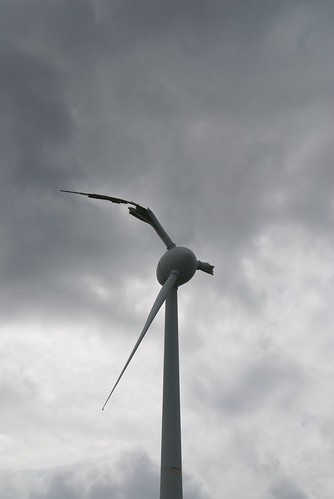
The fight for leadership in clean-tech is underway. The next decade will prove pivotal in determining where the Silicon Valley of clean-tech will reside. While the U.S. is now putting considerable resources into clean-tech, the strongest competitor has only just entered the contest.
Announced in July, China’s Golden Sun program will increase installed capacity of solar power by five times its 2008 level in the next 2-3 years. China also initiated a residential program to subsidize solar. The nation has quickly emerged as a major player in one of renewable energy’s key sectors. Furthermore, China earmarked nearly $100 billion of economic stimulus for projects related to climate change. This is not to mention the enormous growth of the wind power industry in China, which required Chinese lawmakers to double their wind power prediction for 2010. The country plans to add wind capacity to match the massive Three Gorges Dam within the next decade. All the while, China has strict protectionist rules limiting the beneficiaries to local companies. The likely best hope for foreign entities is to collaborate with their Chinese counterparts similar to the success of American automakers.
 The big day has arrived for the Waxman-Markey climate bill, expected to go to the floor for a vote in the House today. A quick perusal of the Op-Ed pages this morning adds little to the debate.
 Amongst the hoo-ha of the US presidential inauguration I noted a small article stating that the new President is getting some pressure to turn the White House lawn into a vegetable patch all be it a somewhat large one, under the spiffy banner of